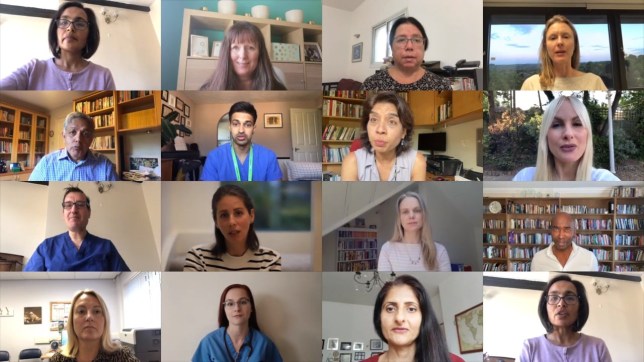
On World Nutrition Day in May more than 200 NHS doctors and other health professionals wrote an open letter to NHS leaders and the UK Government urging them to make radical changes to the current unsustainable and unhealthy food system. The letter received considerable attention on social media and was also published in The Metro.
The letter was produced by Plant Based Health Professionals UK, a rapidly growing organisation of doctors and health professionals whose aims are:
to promote plant based nutrition for the prevention and treatment of chronic diseases
to education health professionals and the public on wholefood plant based nutrition and
to provide evidence-based recommendations for public policy on nutrition.
The letter stresses the need for rapid, nationwide changes to the obesogenic and unsustainable food environment in the UK, which has added to the UK’S COVID-19 death toll.
Three in four of the world’s new or emerging infectious diseases are zoonotic and are mainly transmitted through wildlife trade and factory farming. This combined with the increasing demand for cheap meat and dairy is contributing to environmental degradation and the rise of antibiotic resistance. The letter also stresses that 90% of global wild fish stocks have been over-fished or fished at capacity and farmed fish are contaminated with antibiotics and chemicals that pose a risk to human health.
Poor nutrition is of particular importance to communities of lower socio-economic means and is disproportionately affecting minority ethnic communities which makes them particularly vulnerable to disease.
The letter proposes changes such as the banning of subsidies and introduction of taxes for junk food, soft drinks and animal farming; banning of advertising which increases the consumption of unhealthy foods and importantly the introduction of subsidies to move towards a predominantly whole food plant based diet in order to improve human and planetary health.
This is a group to bring together people in the Worth Valley and Keighley area, who care about animals, the environment, and health, to share ideas and information, to support others in adopting a vegan lifestyle and to campaign to end all animal cruelty.
My plan in forming this group is to be able to put forward information to members of the public about the connection between food and lifestyle choices, and animal cruelty, environmental damage, and health. This has become even more urgent since the coronavirus pandemic. Although believed to have been started by the ill treatment of animals in a wet market in China, many people are not aware of the links with industrial animal farming, where animals kept in filthy and cramped conditions have become a breeding ground for deadly diseases, including swine and avian flu, meaning the next pandemic could be just around the corner. The only way to prevent this is for large numbers of people to stop eating meat.
Members of the group or anyone who wishes to join is welcome to share ideas for how to spread this message, whether that is by street campaigning, writing to MPs, newspapers, or linking with other likeminded groups, all ideas appreciated
If anyone wishes to contact me for more information please email Anne Taylor at worthvalleyvegans@gmail.com or go to their Facebook group.
“We’re all more conscious than ever about the impact our buying choices have on the planet. You check a menu for a vegan options, you only buy cruelty-free cosmetics and clothing. But have you checked the ingredients in your energy supply?
“Millions of British homes are powered by electricity and gas made from animals or their by-products. They can come from factory farming, which means animal slurry and even body parts. Our friends at Ecotricity are the world’s only officially vegan energy company and their energy is only generated from renewable sources like the wind, sun and sea. They’ll make sure you’re not supporting the animal industry with your energy bills.
“We think you’ve got a right to know how your energy is made, so you can choose a supplier that fits your principles. Here’s everything you need to know about vegan energy, and how to switch to an animal-free supplier.“
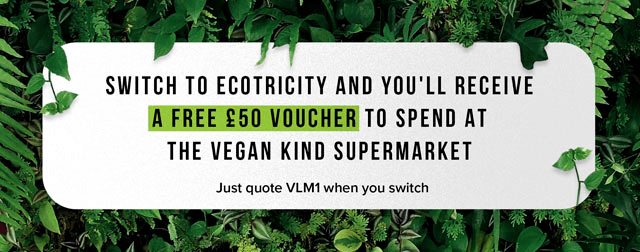
Vegan Life Magazine have an offer: Switch to Ecotricity and you’ll receive a free £50 voucher to spend at The Vegan Kind Supermarket. Terms and conditions apply.
Please note, 3 Valley Vegans has not been approached by anyone, we are reporting a deal which we found and think our readers will enjoy.
Sometimes birds, rats, mice and other animals move into our homes uninvited. Moles, grey squirrels and foxes may change our gardens and outdoor spaces. It can be quite easy to deter some of these visitors. Animal Aid has a list of advice sheets for humane ways to deter wildlife from our homes. They also have a report Alternatives to Culling with further information.
Today we’re in the middle of a pandemic. A new coronavirus has passed from animals into humans and countries worldwide are fighting to limit the number of people infected with the virus which causes COVID-19. It goes without saying that the most important aspect of fighting infections such as COVID-19 is to maintain strict hygiene and to reduce the chance of the virus entering the body. The fewer viruses enter your body the better chance your immune system has.
A healthy lifestyle is the second most important aspect of preventing or reducing the impact of infections. A healthy lifestyle reduces your risk of developing chronic diseases such as diabetes, heart disease and cancer and the evidence shows us that people with chronic diseases are more at risk of dying when they develop infections such as COVID-19.
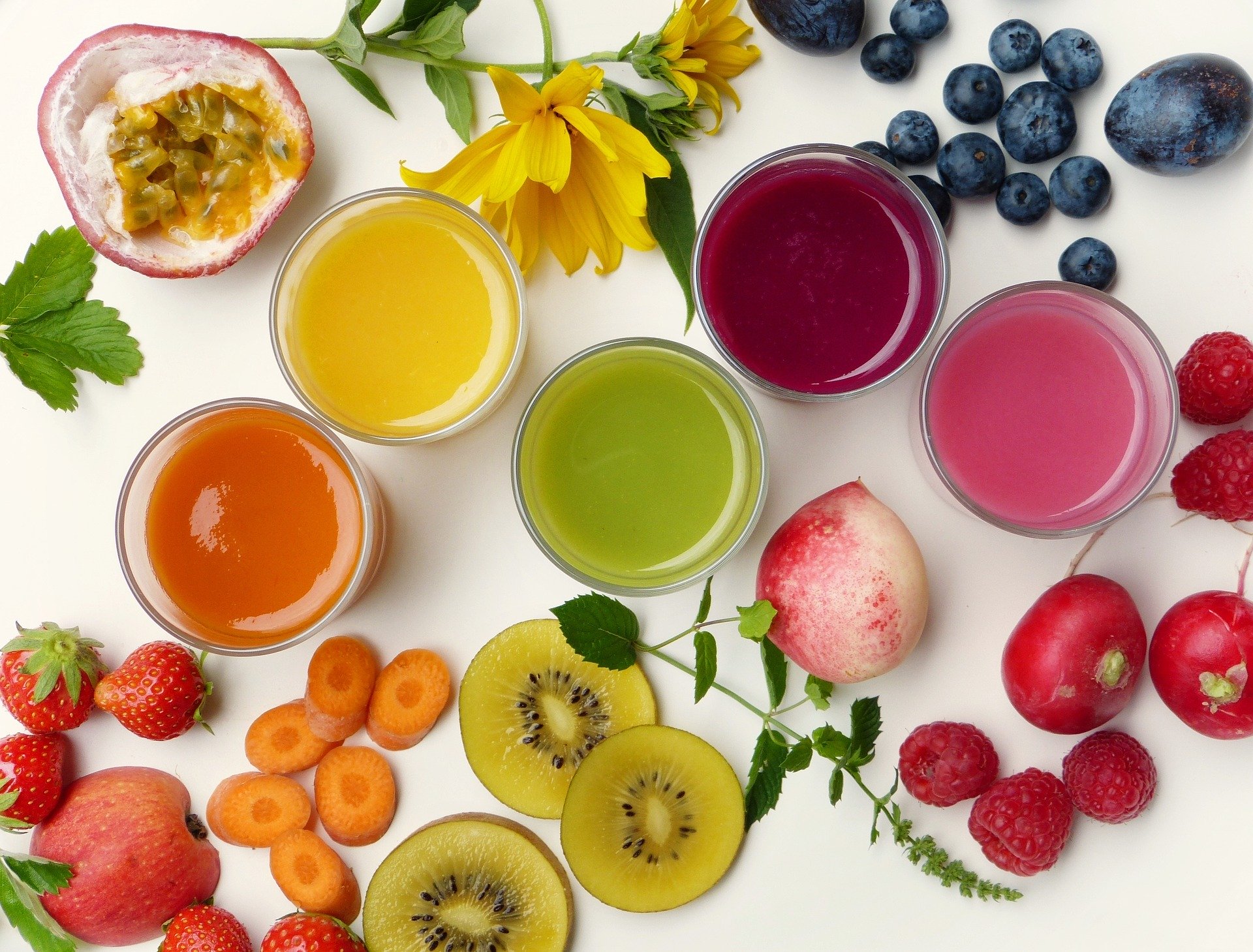
A varied diet with a strong emphasis on whole plant foods is important and it’s the overall quality of the diet that matters rather than individual components. Try to emphasise whole plant foods such as lots of brightly coloured and green vegetables and fruit (aim for up to 10 portions a day), whole grains, legumes, nuts and seeds. A whole food diet helps us to maintain a healthy weight but also provides the essential nutrients we need to reduce our risk of both long term diseases and short term infections. See the Vegan Approach for more information about a balanced vegan diet.
A healthy diet gives us a healthy microbiome which means keeping all those gut bacteria happy. The most important thing is to eat plenty of fibre, which is found only in plant foods as this feeds the gut bacteria. A healthy microbiome is important for a healthy immune system but we still don’t know exactly how this works. We do know that most people in the UK don’t eat enough fibre so increase your whole plant foods, such as legumes, vegetables and flax.
What lifestyle choices affect the immune system?
Not smoking is vital for a healthy immune system. Smoking compromises the immune response because of the chemicals associated with it, such as cadmium, carbon monoxide, nicotine, and nitrogen. It also aggravates bacterial and viral pulmonary infections and rheumatoid arthritis.
Good hydration keeps the body functioning properly. Water is great but different types of teas and some coffee are also healthy. Try to limit alcohol as despite being a depressant (which isn’t good for stress) it’s also linked to some chronic diseases such as cancer.
Exercise has been shown to improve the immune system and to reduce the risk of chronic diseases. Exercise also boosts the presence of endorphins (the pleasure hormone) which makes it a good way of managing stress. Try to aim for at least 150 minutes of moderate intensity physical activity a week and strength building exercises twice a week.
Sleep is the time when your immune system kicks into action fighting infections and when we’re ill we tend to sleep more – it’s the body’s way of telling us what we need to do. If we lack sleep we’re more likely to become susceptible to viruses. Try to get at least seven hours a night of good quality sleep. Turn off electronic devices at least an hour before going to bed and sleep in a cool and dark room. Try not to eat for a couple of hours before going to bed.
What about society and the environment?
Stress promotes inflammation and reduces a body’s defence against infection. Long term stress can lead to high levels of cortisol which impairs the immune system. Stress reduction is easier said than done but there are ways of reducing stress such as breathing exercises, journalling, mindfulness, yoga or other ways that work for you.
Image: Blue Zones
Maintaining social contacts even if you can’t meet up with people is important as part of a healthy lifestyle. The Blue Zones are areas in the world where people live longer and healthier lives than elsewhere in the world. They differ in many ways but they all have in common having a purpose, living amongst people they are happy with and having social contacts with other people they like.
Reducing our exposure to environmental toxins could affect our immune system but the jury’s still out on this one. There are indications that the increasing amount of pollutants we’re exposed to both in and outside our homes could impair both our own and our children’s immune system. Cutting down on chemicals in the home and garden is easy. It’s not quite so easy to avoid air pollution but simply follow some of the tips from the BBC to cut your exposure.
What specific nutrients can help?
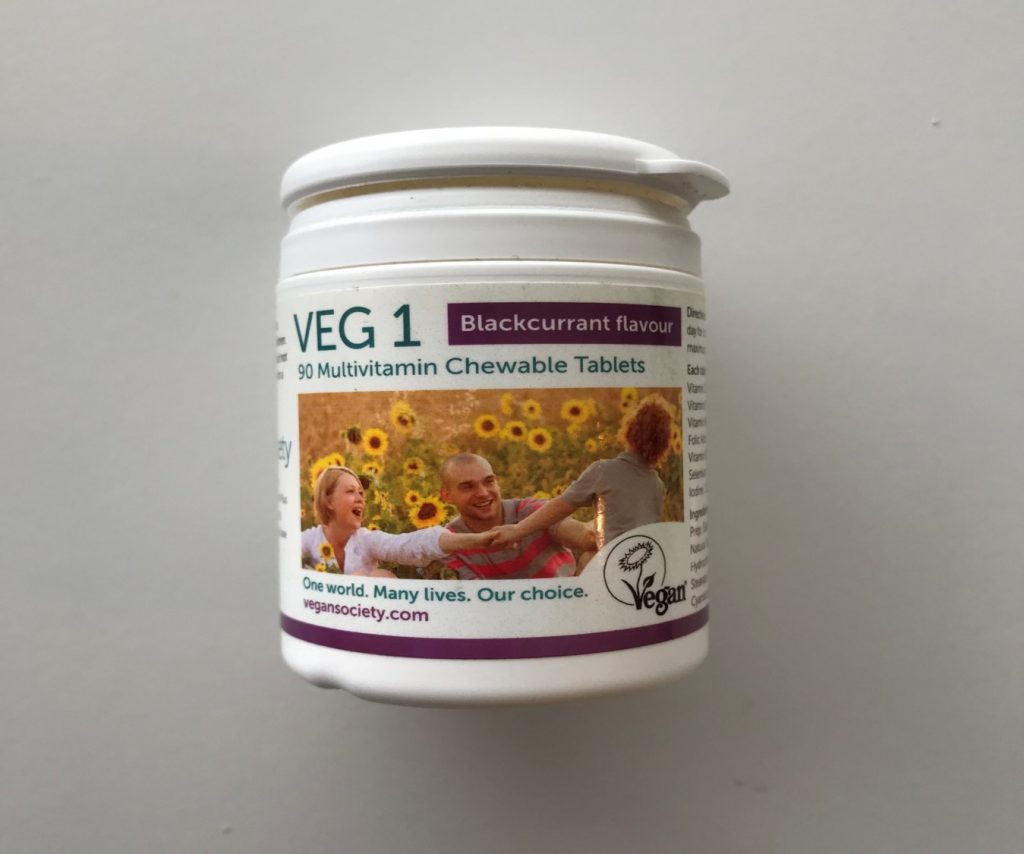
Veg1 (Image: the Vegan Approach)
Once you’ve considered the guidance above and thought about how you can improve your general health, there is some evidence that points to specific nutrients that can help to support a healthy immune system.
Vitamin D has been shown to reduce the risk of acute respiratory tract infections and everyone in the UK is advised to supplement in the winter. It’s also a good idea to supplement if you stay indoors a lot, are older or cover up your body. Veg1 from The Vegan Society provides a vegan source of this vitamin.
Antioxidants may help to boost the immune system and some that have been found to be beneficial are:
Flavonoids found in many plant foods are shown to help the immune system and have been found to significantly reduce the risk of upper respiratory tract infections. Eat and drink plenty of the following: apples, green tea, grapes, berries and dark chocolate (more than 70% cocoa content).
Vitamin C is easily provided by the diet but lots of people don’t get enough. Eat plenty of fruits such as citrus (oranges, grapefruit), pepper, kiwi fruit and broccoli.
Beta carotene which is also used to form vitamin A, and is found in brightly coloured fruits and vegetables such as carrots, red peppers, dark greens such as kale and apricots.
Zinc is important for the immune system and can be found in nuts, seeds and pulses. Sprouting pulses and nuts helps to improve the amount of zinc available to the body.
Selenium can be lacking in the UK diet but a day’s supply is found in one or two brazil nuts. Don’t overdo selenium though as it can be toxic in large doses.
Curcumin is anti-inflammatory, anti-oxidant and anti-infective and some laboratory studies have shown it can fight viruses. It’s found in turmeric which is one of many healthy spices. It’s easy to incorporate it in all sorts of foods such as tagine, curry, scrambled tofu, even in pasta.
It’s important to remember that all of the above are best eaten in the form of food rather than as supplements (apart from vitamin D) as there is so much we don’t know about how food works synergistically. Again, it’s the quality of the overall diet that’s important.
As you know, many local and national businesses are closed or otherwise disrupted at the moment. We recommend you check with individual shops for their opening and availability, while following government advice to stay indoors except for essential permitted purposes. In addition, we would like to highlight a few places that, at the time of writing, were still open.
Is your business still serving food, perhaps just for key workers? Please get in touch to appear here, or post to our Facebook Group up to once a week.
Supporting and inspiring a lifestyle free of animal-derived products





 3 Valley Vegans